

Bingo is a social game that brings gamers together. It has a long history, with hundreds of years of evolution across many countries. The game started in the 16th century in Italy as Lo Giuoco del Lotto d'Italia and moved to France in the 18th century.
In the late 1920s, Bingo came to North America, and people first called it Beano because players used beans to mark numbers. The name Bingo came about by accident when a player mispronounced Beano. Bingo is now a game of chance, with instant wins and social fun, and it's spreading worldwide.
was a beloved pastime for many years, mostly played in theatres and halls. It grew naturally as people referred friends to halls. Its main strength was bringing people and communities together.
Here's how it grew in different parts of the world:
1. United Kingdom
The United Kingdom is arguably the world's most enthusiastic bingo nation. After World War II, bingo halls quickly appeared all over the country. They often took over old cinemas and theatres. These places soon became important gathering spots, especially for women.
Bingo offered affordable entertainment, the chance of winning, and a real sense of togetherness. It was so popular that it became deeply connected with British culture. Millions of people played regularly. This steady growth in the second half of the 20th century made the UK a major force in bingo.
2. North America (United States and Canada)
In the United States, bingo found its niche as a in churches, charities, and community organisations. The aspect of giving back while playing contributed significantly to its widespread acceptance. Throughout the 20th century, bingo nights became common events in towns and cities.
In Canada, bingo gained traction in community centres and tribal lands, serving as entertainment and a way to generate funds for local initiatives. The ease of setting up games and the clear financial benefit for organisations ensured steady growth in these regions compared to the UK's commercial bingo halls.
3. Australia and New Zealand
In New Zealand, people call bingo , from the British game housey-housey. Just like in the UK, bingo grew mainly in dedicated clubs and existing community spots. Community halls, often central to local life, held bingo games. They offered a fun activity that almost everyone could join.
A key reason for bingo's spread was the clubs in Australia and similar groups in New Zealand. Set up to help veterans and their families, these clubs found bingo a great way to raise money. It drew large crowds and helped create a sense of belonging for members and the wider community.
4. Scandinavia and Other European Nations
Bingo also grew in European countries like Sweden, Norway, and Germany, but not as much as in the UK. In these places, it was often a casual activity found in social clubs, on cruise ships, or within bigger entertainment spots, instead of just in bingo halls. Because the game's rules are simple, it easily fits into different cultures.
5. Emerging Markets (Asia and Latin America)
Bingo found new fans in Asia and Latin America from the late 20th century into the 21st century. In some areas, like the Philippines, it's now a popular way to have fun. Sometimes it's part of casino resorts, and other times it's played as community games on its own.
The game's appeal is simple. It's like a lottery, easy for anyone to understand. Its growth began on a smaller scale, driven by people telling others about it and local groups organising games.
The Impact of Online Bingo
Online bingo started in the late 1990s and early 2000s. At first, it served people who already loved the game. But quickly, it attracted many new types of players.
Here are several ways online bingo has transformed the game:
1. Unprecedented Accessibility
Online platforms removed geographical barriers and time constraints. Players can now enjoy bingo from the comfort of their homes, 24 hours a day, seven days a week.
This dramatically expanded the player base. It attracted individuals who might not have time to visit a physical bingo hall, and those who preferred the convenience of playing at odd hours.
2. Innovation and Variety
Online bingo introduced many games, themes, and big prizes that weren't possible in traditional bingo halls. Players could find anything from 75-ball to 90-ball bingo, special themed rooms, small mini-games, and progressive jackpots that grew larger and larger.
The online setting encourages creativity. It enables bingo operators to create unique games to meet different players' tastes and keep the game fresh and exciting for everyone.
3. Social Interaction and Demographic Shift
Even though playing bingo in person means real-life social time, online bingo has built strong communities through chat rooms and forums. Players can connect with others, share their experiences, and even make friends. Chat moderators often help these chats, making the community feel more authentic.
Online bingo also helped change the game's old-fashioned gaming style. It started bringing in younger and more varied players. Its ease of use, modern look, and connection with other online games attracted new players who might not have thought about traditional bingo.
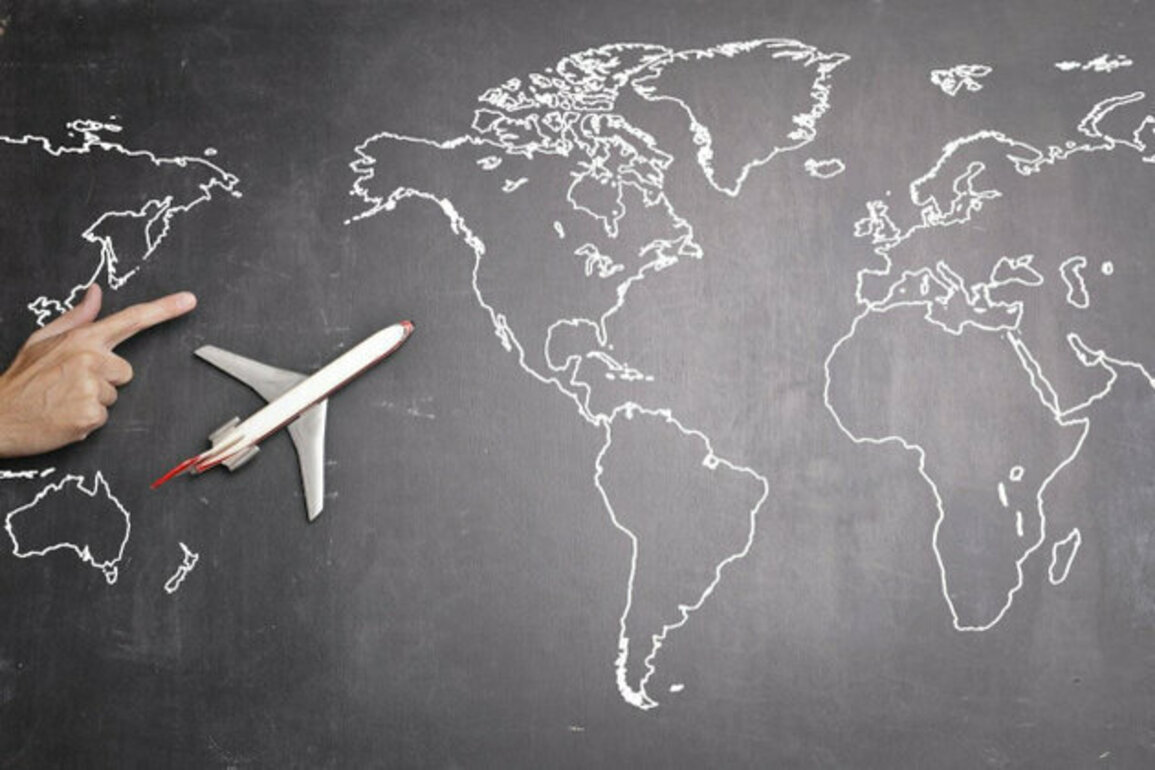
4. Global Reach Amplified
Photo by
Since online platforms can reach anyone with internet access, players from various countries can now compete and interact. This has truly cemented bingo's presence worldwide. The cross-border connection has also led to some game styles and themes becoming well-known everywhere.
We?ve also seen major advances in online gaming technology, secure payment options, and strong customer support. These have made online bingo a powerful force in the global gaming market.
Conclusion
Bingo started centuries ago as an Italian lottery game but is now global. It grew steadily because it was social and easy to play in places like the UK and North America. The digital change made bingo reach worldwide, transforming how easy it is to play, how many versions exist, and how people connect.
Today, bingo shows that players love group entertainment and how technology can bring old games back to life. This will keep it important in entertainment around the world.